
MNC Valves Ltd.
MNC Valves Limited offers diaphragm control valves designed for precise modulation, fluid isolation, dependable shut-off, and controlled flow regulation in chemical, corrosive, hygienic, water treatment, dosing, and specialized industrial applications where media separation and clean control are important.
Flexible diaphragm based isolation and control system
Suitable for corrosive, cleaner, and contamination-sensitive media
Reduces contact between process fluid and operating mechanism
Useful in chemical, dosing, water treatment, and specialty applications
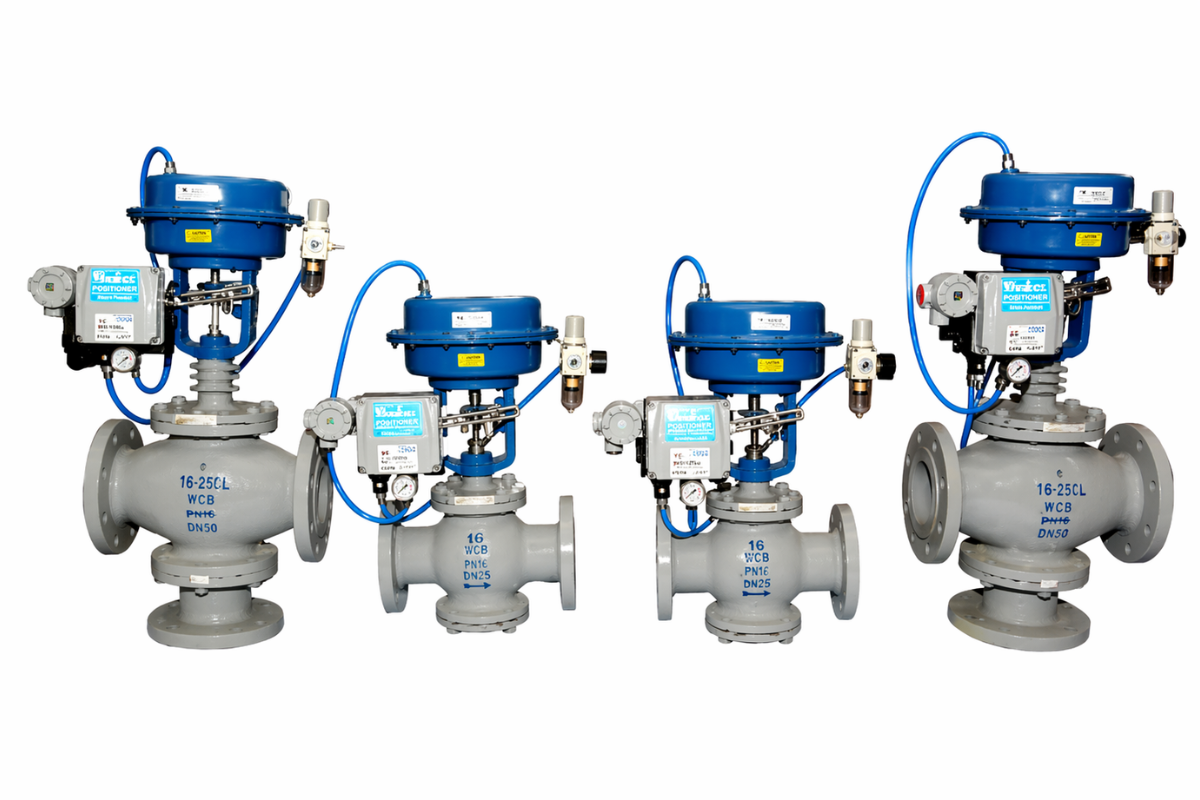
Some applications involve aggressive fluids where direct exposure of internal moving parts to process media must be minimized.
Certain systems require cleaner control arrangement where process fluid isolation from actuator side is beneficial.
Diaphragm based design helps improve sealing logic in selected applications and simplifies control in specialized services.
A diaphragm control valve is a modulating valve that uses a flexible diaphragm as the controlling and isolating element. The diaphragm separates the process fluid from the actuator or bonnet side, which makes the valve especially useful in corrosive, cleaner, dosing, and selected contamination-sensitive applications.
Because the diaphragm acts as the sealing and regulating interface, these valves are often preferred where the process medium should not directly contact the upper operating mechanism. They are widely used in chemical service, water treatment, dosing systems, pharmaceutical-support applications, and specialty process systems depending on material compatibility.
The actuator applies force to the diaphragm assembly, moving it toward or away from the weir or control passage. This changes the flow area and regulates the process medium according to system demand.
The diaphragm creates a separation barrier between the fluid and the actuator side. This design helps reduce direct exposure of upper mechanical components to the process media.
The diaphragm isolates the upper operating mechanism from the process fluid, which is beneficial in many corrosive or sensitive applications.
They are useful in applications where cleaner control logic or corrosive media handling is important.
With proper material and sizing selection, diaphragm control valves can provide stable control in specialty fluid applications.
Diaphragm control valves are commonly used where corrosive chemicals or aggressive media require more isolated flow control arrangement.
They are also used where controlled fluid handling with cleaner process separation is beneficial.
Typical Consideration
Diaphragm Control Valve
Flow regulation / dosing control / corrosive media control / specialized modulation
Flexible diaphragm based control arrangement
CI / DI / WCB / SS / lined or application-specific construction
Application-specific elastomer / PTFE-backed / compatible diaphragm selection
Flanged / threaded / application-specific connection
Chemicals / dosing fluids / water / treatment media / selected specialty fluids
Manual / pneumatic / motorized depending on design and duty
Modulating / regulating / dosing / corrosive service control
Chemical plants / water treatment / dosing systems / specialized industrial applications
Used in corrosive service where process fluid isolation from upper mechanical parts is beneficial.
Suitable in dosing, treatment, and controlled utility water applications requiring dependable modulation.
Used where accurate and stable regulation of treatment or chemical dosing media is required.
Helpful where conventional trim exposure to process fluid should be reduced through diaphragm isolation logic.
Applicable in systems requiring controlled flow in sensitive fluid handling duties.
Used in certain cleaner process support applications depending on design and material compatibility.
Media Isolation
Higher due to diaphragm separation
Depends on trim and packing arrangement
Best Use
Corrosive, dosing, cleaner, specialized service
General industrial modulation duty
Process Compatibility
Good for selected sensitive applications
Broader standard industrial use
Control Element
Flexible diaphragm
Plug, trim, disc, or other internal regulating element
Typical Preference
Chemical and treatment applications
General utility and process control systems
Contact MNC Valves Limited for technical guidance, product selection support, and quotation for your industrial requirement.=
Technical support for selection
Quotation support for project needs
Application-focused product guidance
Business-ready follow-up action
MNC Valve Limited Popular Products
Ball Valve
Butterfly Valve & Gate Valve
Strainers Valve
Non Return Valve
Control Valve
Other Valve
A diaphragm control valve is used for regulating flow in corrosive, dosing, cleaner, and specialized applications where media isolation is beneficial.
The main advantage is that the diaphragm helps isolate the process fluid from the upper operating mechanism.
They are commonly used in chemical plants, water treatment systems, dosing applications, and selected corrosive or sensitive media services.
Diaphragm material selection is important because compatibility with media, temperature, and pressure directly affects valve life and performance.
Yes, diaphragm control valves are often selected for corrosive media applications when the chosen body and diaphragm materials are compatible.
Yes, depending on design, diaphragm control valves can be supplied with pneumatic or motorized actuation for automatic control duty.
Yes, they are widely used in dosing and treatment systems where controlled flow of treatment media is required.
Diaphragm control valves use a flexible diaphragm as the isolation and regulating element, while conventional control valves usually use plug and trim arrangements without the same diaphragm-based separation.
Media compatibility, diaphragm material, pressure, temperature, control duty, and actuation requirement should all be considered before selection.
Because MNC Valves Limited provides technical selection support, diaphragm material guidance, and diaphragm control valve solutions suitable for chemical, dosing, and specialized industrial applications.
WhatsApp us