
MNC Valves Ltd.
MNC Valves Limited offers reactor bottom valves designed for safe reactor outlet isolation, controlled bottom discharge, reduced dead space, and dependable performance in chemical, batch processing, reactor vessel, pharmaceutical-support, and specialty industrial applications.
Designed for reactor vessel bottom outlet applications
Supports safer and cleaner discharge from reactor systems
Helps reduce product hold-up near reactor bottom outlet
Suitable for chemical, batch, and specialty process duty
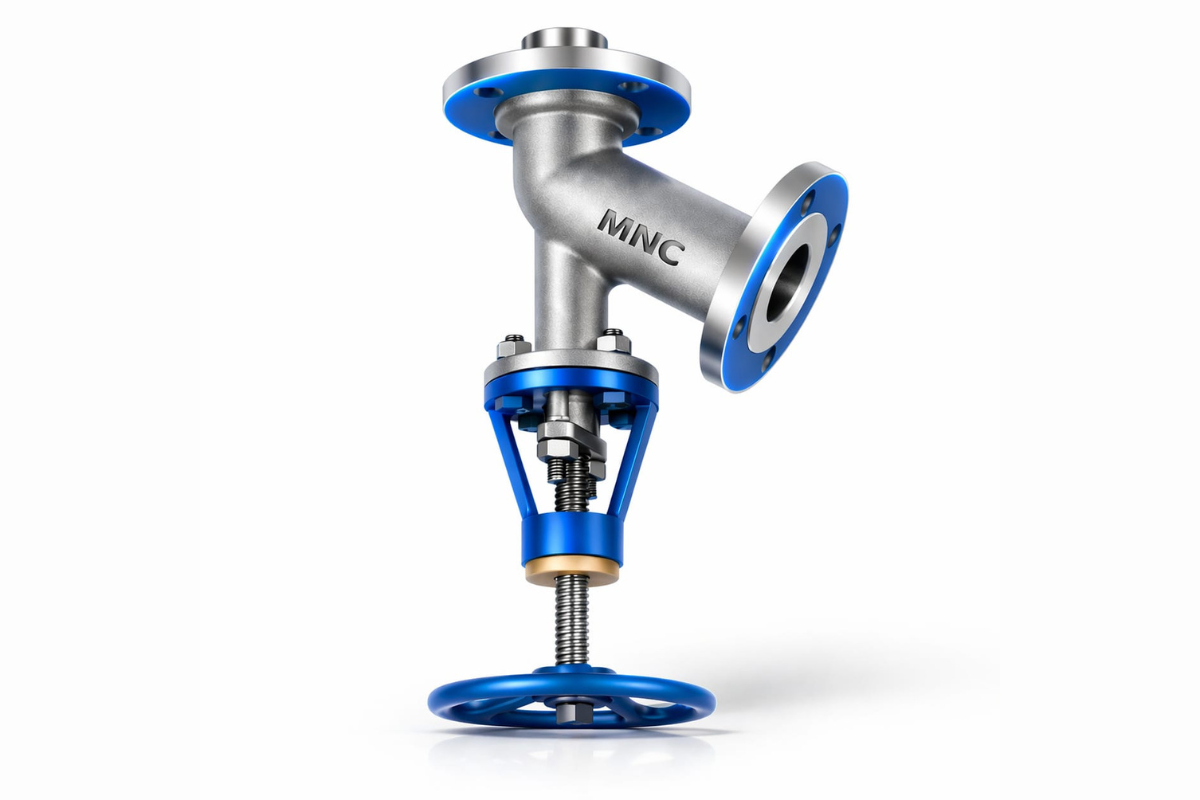
Reactor systems require reliable bottom outlet control for product discharge, isolation, and process safety. Standard valves may not always suit this geometry.
At the bottom outlet of a reactor, trapped product and dead pockets can affect process efficiency. Reactor bottom valve design helps address this challenge.
These valves are selected where controlled and dependable discharge of chemicals, intermediates, or process media is critical.
A reactor bottom valve is a special application valve installed at the bottom outlet of a reactor or process vessel to provide discharge control, product isolation, and reduced hold-up at the reactor bottom. It is specifically engineered for process systems where standard inline valves may not provide the required discharge geometry or process safety advantage.
Reactor bottom valves are widely used in chemical plants, batch process industries, pharmaceutical-support systems, specialty reactors, and process vessels where the bottom outlet must be controlled safely and efficiently.
The valve is mounted directly at the reactor bottom outlet. When opened, it allows the process medium to discharge from the lowest point of the reactor with improved access to the vessel contents and reduced media retention around the outlet area.
When closed, the valve isolates the reactor contents from the downstream system. This helps maintain safe batch control, controlled transfer, and dependable outlet shut-off in process-critical applications.
Designed specifically for bottom outlet service, these valves support more effective discharge than general-purpose inline valves.
They help improve controlled isolation and discharge handling in reactor and batch process systems.
The design helps reduce media retention near the outlet zone, improving efficiency in sensitive or costly processes.
Reactor bottom valves are primarily used where the outlet of a reactor vessel must provide dependable shut-off, cleaner discharge, and process-safe bottom isolation.
These valves are also used where bottom discharge quality directly affects batch integrity, cleaning performance, and safe process operation.
Typical Consideration
Reactor Bottom Valve
Reactor bottom outlet isolation / discharge / controlled transfer / process safety
Manual / gear / pneumatic / motorized depending on design
WCB / CF8 / CF8M / alloy or application-specific materials
Application-specific sealing and discharge geometry
PTFE / soft seat / metal seat / application-specific sealing logic
Reactor bottom mounting / flanged / custom process connection
Chemicals / batch media / specialty process fluids / viscous or reactive media as applicable
Bottom outlet of reactor or process vessel
Chemical plants / batch reactors / specialty process systems / industrial reactors
Used in reactor and vessel bottom outlet applications involving process chemicals, intermediates, and specialty fluids.
Suitable for bottom discharge of batch process vessels where controlled product transfer is important.
Applicable in operations where reactor outlet geometry and process isolation require specialized valve design.
Used in selected reactor and vessel applications depending on design, process requirements, and compatibility.
Useful in systems where reactor discharge timing, cleanliness, and product safety are operationally important.
Applicable in engineered systems where standard bottom outlet valves may not meet process needs.
Main Use
Reactor and vessel bottom outlet control
General inline or non-specialized outlet service
Best For
Batch discharge, reactor isolation, specialized bottom outlet duty
General isolation and flow duty
Discharge Geometry
Better suited to reactor outlet applications
Not specifically designed for reactor bottom geometry
Process Safety Role
Higher relevance in reactor discharge applications
Depends on general system use
Typical Preference
Chemical and specialty reactor systems
General industrial applications
Contact MNC Valves Limited for expert selection support, material guidance, and quotation for your reactor bottom valve requirement in chemical, batch, reactor, and specialty process applications.
Reactor outlet guidance
Material selection support
Project-ready quotation
Batch process support
MNC Valve Limited Popular Products
Ball Valve
Butterfly Valve & Gate Valve
Strainers Valve
Non Return Valve
Control Valve
Other Valve
A reactor bottom valve is used for bottom outlet isolation and discharge control in reactors and process vessels.
The main advantage is safer and more effective reactor bottom discharge with improved suitability for specialized outlet geometry.
They are commonly used in chemical reactors, batch process plants, specialty vessel systems, and industrial reactor applications.
A reactor bottom valve is specifically designed for reactor and vessel bottom outlet duty, while standard valves are generally used in general inline or non-specialized service.
Yes, it is widely selected for chemical and specialty process applications where reactor discharge and isolation are important.
Yes, depending on process requirements, they can be supplied with pneumatic or motorized actuation.
WCB, CF8, CF8M, and other application-specific materials are commonly selected depending on media and process conditions.
Because chemical compatibility, pressure, temperature, and batch media characteristics directly affect valve life and process safety.
You should choose it when your reactor or vessel bottom outlet requires process-safe isolation, cleaner discharge, and better suitability than a standard valve arrangement.
Because MNC Valves Limited provides technical selection support, material guidance, and reactor bottom valve solutions suitable for demanding chemical and specialty process applications.
WhatsApp us